
Payroll Mistakes Small Businesses Should Avoid
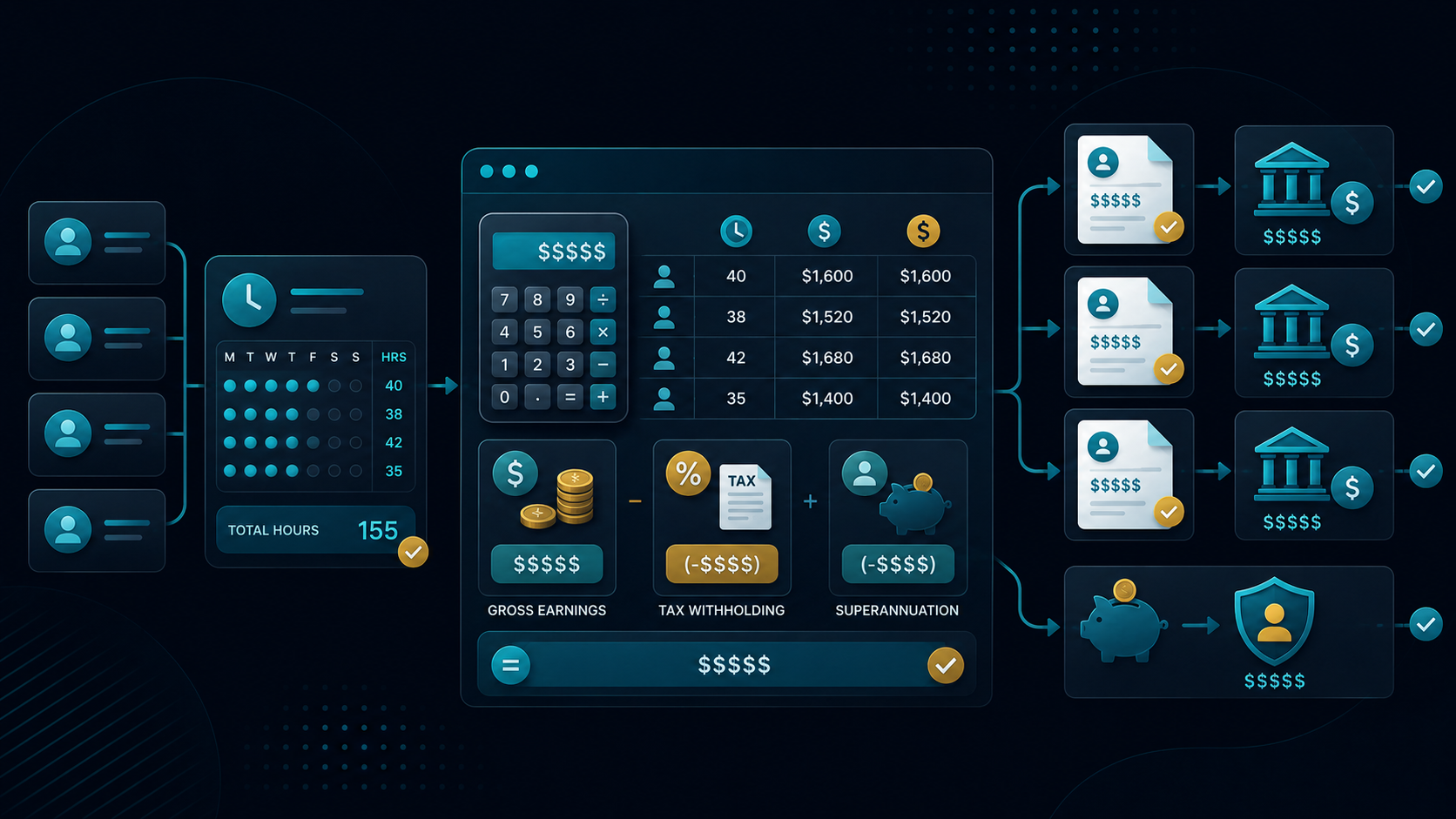
Payroll mistakes can affect employees, create extra administrative work and make it harder to keep business records accurate. Even small errors in pay rates, hours worked, leave, superannuation or employee details may require time-consuming corrections.
A clear and consistent payroll process helps ensure employees are paid accurately and on time. It also keeps payroll records organised, supports reliable reporting and gives business owners greater confidence in meeting their payroll responsibilities.
Incorrectly classifying employees
Correctly determining whether a worker is an employee or an independent contractor is an important part of payroll. The classification depends on the nature of the working arrangement, not simply whether the worker has an ABN or submits invoices.
Incorrect classification can lead to mistakes involving PAYG withholding, superannuation, leave entitlements and other employment obligations. In some circumstances, a business may also need to pay superannuation for an independent contractor whose contract is mainly for their labour.
Businesses should assess each working arrangement carefully and seek professional advice when the classification is unclear. Keeping appropriate contracts and records also helps ensure workers are treated correctly from the beginning.
Using incorrect pay rates or awards
Paying an employee correctly requires identifying the award or enterprise agreement that applies, along with the employee’s correct classification level. Their employment type, age, duties, qualifications and working hours may also affect the applicable rate.
Using an outdated or incorrect rate can result in underpayments involving ordinary hours, overtime, penalty rates, allowances or casual loading. Pay rates and award conditions can change, so payroll settings should be reviewed regularly, particularly after annual wage increases or changes to an employee’s role.
Businesses should confirm current rates using reliable information and seek professional workplace-relations advice if the correct award or classification is unclear.
Incorrectly recording hours worked
Accurate time records are essential for calculating employee pay correctly. Missing or incorrect hours can lead to errors in ordinary pay, overtime, penalty rates, allowances and leave balances.
Timesheets should clearly record the hours worked and be reviewed before each payroll is processed. Rosters, approved leave and any changes to an employee’s hours should also be checked against the payroll information.
Maintaining complete and accurate records makes payroll discrepancies easier to identify and helps businesses meet their record-keeping obligations. Payroll and employment records must generally be retained for seven years.
Miscalculating leave entitlements
Leave entitlements can vary depending on an employee’s employment type, ordinary hours and applicable award or agreement. Incorrect payroll settings may cause annual leave or personal and carer’s leave to accrue at the wrong rate.
Errors can also occur when changes to an employee’s hours are not updated, leave is deducted incorrectly, or the wrong pay rate is used when leave is taken. Full-time and part-time employees generally accrue paid leave progressively, while casual employees usually do not receive paid annual leave or paid personal and carer’s leave.
Leave balances and payroll settings should be reviewed regularly, particularly when an employee’s hours, role or employment conditions change. If an entitlement is unclear, businesses should check the applicable workplace rules or seek professional workplace-relations advice.
Incorrectly calculating superannuation
Superannuation errors can occur when the wrong earnings are included, an outdated rate is used, or an eligible worker is overlooked. Incorrect payroll settings may also cause superannuation to be underpaid, overpaid or allocated to the wrong employee or fund.
The super guarantee rate is currently 12%. From 1 July 2026, employers generally need to pay superannuation with each pay cycle and ensure the contribution reaches the employee’s super fund within seven business days of payday.
Payroll settings and employee fund details should be reviewed regularly, and superannuation amounts should be checked before each pay run. Identifying errors promptly helps avoid late payments, additional charges and time-consuming corrections.
Failing to keep employee details up to date
Accurate payroll depends on current employee information. Changes to bank account details, tax information, superannuation fund details, pay rates, ordinary hours or employment status must be recorded correctly in the payroll system.
Outdated information can result in failed payments, incorrect tax withholding, superannuation contributions being directed incorrectly or leave accruing at the wrong rate. Payroll records should also reflect changes to an employee’s role, classification or working arrangements.
Businesses should have a clear process for employees to report changes and for authorised payroll staff to verify and update them promptly. Because payroll records contain sensitive personal information, they should be stored securely and accessed only by authorised people.
Missing payroll deadlines and reporting obligations
Payroll involves several important deadlines. Employees must be paid according to their agreed pay cycle, and payroll information generally needs to be reported to the ATO through Single Touch Payroll on or before payday.
Employers must also ensure superannuation contributions reach employees’ super funds within the required timeframe. From 1 July 2026, contributions generally need to be received within seven business days after payday. At the end of each financial year, employers generally need to finalise their Single Touch Payroll information by 14 July.
Missing these deadlines can lead to additional charges, penalties, delayed employee income statements and time-consuming corrections. Using a payroll calendar and reviewing each pay run before submission can help ensure payments and reports are completed accurately and on time.
How Alexsar can help with payroll administration
At Alexsar Bookkeeping, we help small and medium businesses keep their payroll records accurate, organised and up to date. This includes maintaining employee details, processing regular pay runs using approved pay rates and settings, reviewing timesheets and leave information, and checking payroll reports for discrepancies.
A clear and consistent payroll process helps reduce errors, keeps employee and superannuation records organised, and makes each pay cycle easier to manage. Where specialist employment, award or workplace-relations advice is required, businesses should consult an appropriately qualified adviser.
Need help keeping your payroll organised and up to date? Contact us to discuss how Alexsar can support your business.
