
Accounts Receivable: How to Stay on Top of Unpaid Invoices
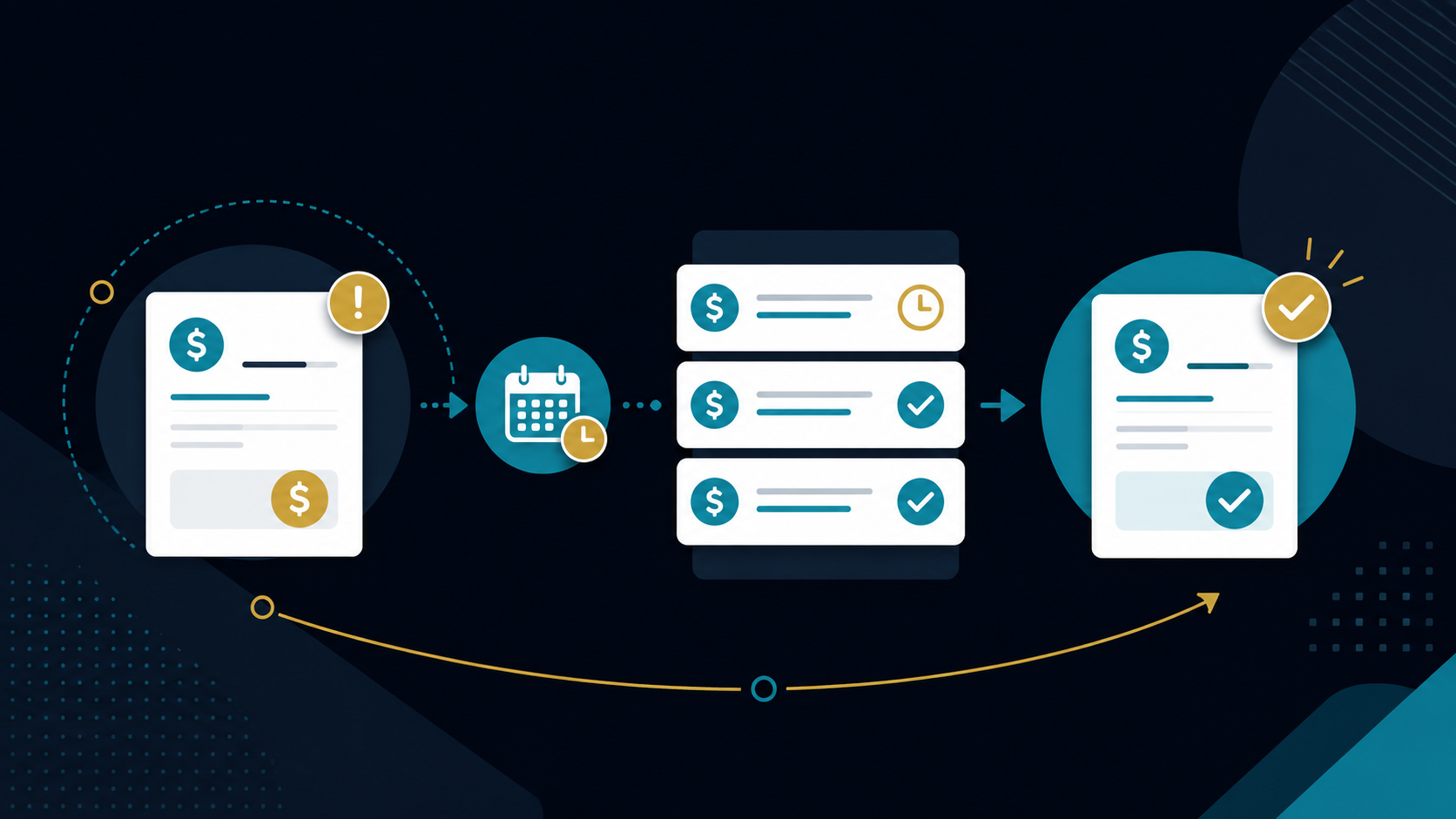
Unpaid invoices can quickly place pressure on a business’s cash flow. Even when sales are strong, delays in receiving customer payments can make it harder to pay suppliers, employees and other everyday expenses.
Keeping your accounts receivable organised helps you see what is outstanding, follow up overdue invoices promptly and maintain a more predictable cash flow. With a consistent invoicing and follow-up process, you can spend less time chasing payments and more time running your business.
What is accounts receivable?
Accounts receivable is the money customers owe your business for products or services that have already been provided but have not yet been paid for. It includes outstanding customer invoices, whether they are still within their payment terms or already overdue.
Keeping accurate accounts receivable records allows you to see who owes you money, how much is outstanding and when each payment is due. This information helps you follow up payments efficiently and better manage your business’s cash flow.
Why unpaid invoices affect cash flow
An invoice records income your business expects to receive, but that money is not available until the customer pays. When invoices remain unpaid, your financial reports may show strong sales while the actual cash available in your bank account remains limited.
Delayed payments can make it harder to meet regular commitments such as supplier bills, wages, superannuation and operating expenses. They can also make cash flow less predictable and affect your ability to plan confidently.
Monitoring outstanding invoices and following them up promptly helps maintain steadier cash flow and reduces the likelihood of overdue accounts accumulating.
Common reasons customers pay invoices late
Customers may pay invoices late for a range of reasons. The invoice may have been sent to the wrong contact, missed in a busy inbox or delayed by the customer’s internal approval process. Unclear payment terms, incorrect details, or a missing purchase order number can also delay payment.
In some cases, customers may have questions about the invoice or be experiencing their own cash flow difficulties. Late payment can also occur simply because the due date was overlooked and no reminder was sent.
Issuing accurate invoices promptly, clearly stating the payment terms and following up consistently can help reduce unnecessary delays.
How to stay on top of unpaid invoices
A clear and consistent accounts receivable process makes unpaid invoices easier to manage. Practical steps include:
Send invoices promptly after providing the product or service
Include accurate details and clear payment terms
Make payment options simple and convenient
Review outstanding invoices regularly
Send reminders before and after the due date
Follow up overdue invoices consistently
Keep notes of customer communication and payment arrangements
Accounting software can automate invoice reminders and provide reports showing which invoices are due or overdue. However, these reports are most useful when customer details, payment terms and invoice records are accurate and kept up to date.
How regular accounts receivable reporting helps
Accounts receivable reports provide a clear summary of outstanding customer invoices and how long each amount has remained unpaid. An aged receivables report typically groups invoices by how overdue they are, making it easier to identify which accounts require attention.
Reviewing these reports regularly helps you prioritise follow-ups, identify recurring late-payment patterns and monitor how much money is tied up in unpaid invoices. It can also highlight customers with multiple outstanding invoices before the balance becomes more difficult to manage.
With accurate and up-to-date reporting, you can make more informed cash flow decisions and take action on overdue accounts sooner.
How Alexsar can help manage accounts receivable
At Alexsar Bookkeeping, we help small and medium businesses keep their accounts receivable accurate, organised and up to date. This includes maintaining customer invoices, allocating payments, reviewing outstanding balances and providing clear aged receivables reports.
We can also help establish consistent invoicing and reminder processes so overdue accounts are identified and followed up promptly. With clearer records and regular reporting, you can better understand what customers owe and make more informed cash flow decisions.
Need help staying on top of unpaid invoices? Contact us to discuss how Alexsar can support your business.
